
Egypt in Ramadan: What to Expect When Traveling During the Holy Month

Egypt in Ramadan is full of decorative lights and lanterns!
If you’re planning on visiting Egypt during Ramadan, you’re going to experience a very different side of Egypt than what most travelers imagine. Streets shift rhythm, restaurants change their hours, and daily life moves around the holy month in a way that feels calm during the day and full of energy at night.
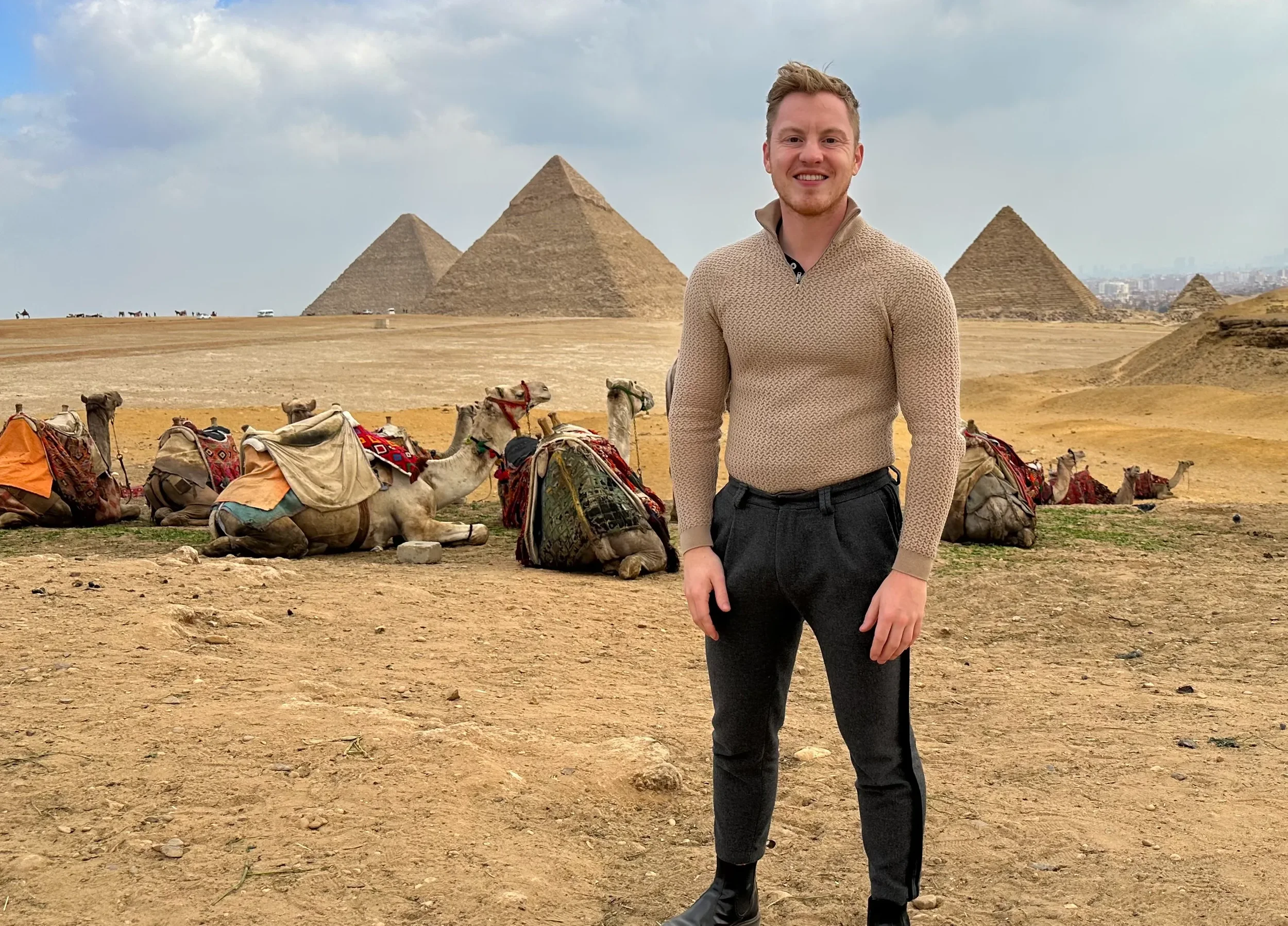
I’ve been living in Egypt off and on for 13 years!
My name is Gus. I’ve lived in Egypt off and on for 13 years, and I organize small group trips throughout the country full-time. I meet travelers at airports, hotels, and historical sites every week, and one thing I hear constantly is: what is Egypt Ramadan actually like for visitors?
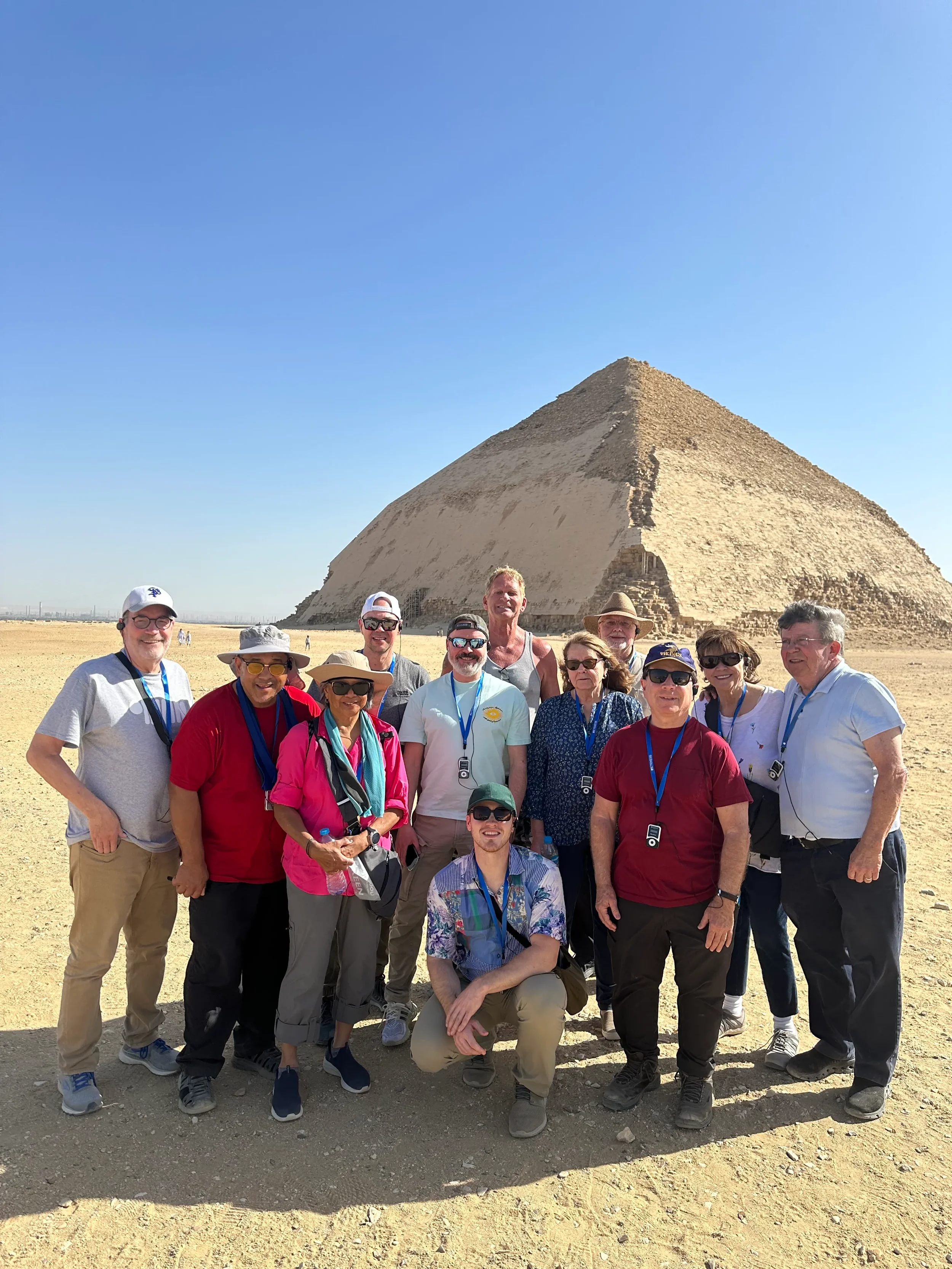
I lead group tours throughout Egypt - this is one of my tour groups at Dahshur!
The short answer: it’s slower, warmer, and more social. Once you understand the flow of the day, traveling to Egypt during Ramadan becomes one of the most memorable ways to experience the country.
This guide explains what changes during the holy month, what stays the same, and the practical tips that help your travel feel easy from the moment you start your trip.
What Is Ramadan in Egypt?

Some Ramadan decorations for sale, including a fanoos (Ramadan lantern)
Ramadan is the holiest month in the Islamic calendar. The dates shift every year because the calendar follows the cycle of the Moon, which means the official start of Ramadan depends on moon sighting announcements.
Ramadan in Egypt in 2026 runs from the evening of February 18th until March 20th, and in 2027 Ramadan starts on February 7 and runs until March 8th. These dates for 2027 aren’t set in stone - a few days before Ramadan begins Dar el Ifta, the official institution for religious edicts in Egypt, will announce the official dates.
During this time, Muslims practice fasting from sunrise until sunset. No food, no drink, and no smoking during daylight hours. In Egypt, this changes the rhythm of daily life in ways visitors notice quickly.
Could you imagine your mornings without coffee, not having a sip of water for several hours each day, and still going to work without the chance to take a lunch break? It’s a big change from normal life in Egypt, but it’s a very special time of the year.
Mornings feel quieter. Afternoons slow down. Evenings come alive. I call Ramadan “30 days of dinner parties”, since each night, Egyptians break their fast, often spending each iftar (the fast-breaking meal) with different groups - one evening is for family, another, a group of friends, then a group of coworkers, all throughout the month.
You might walk through Downtown Cairo or Zamalek at 4 PM and find it calm and sleepy, then return two hours later and find tables full, lights glowing, and cafés buzzing with conversation. That daily transformation becomes part of your travel experience.
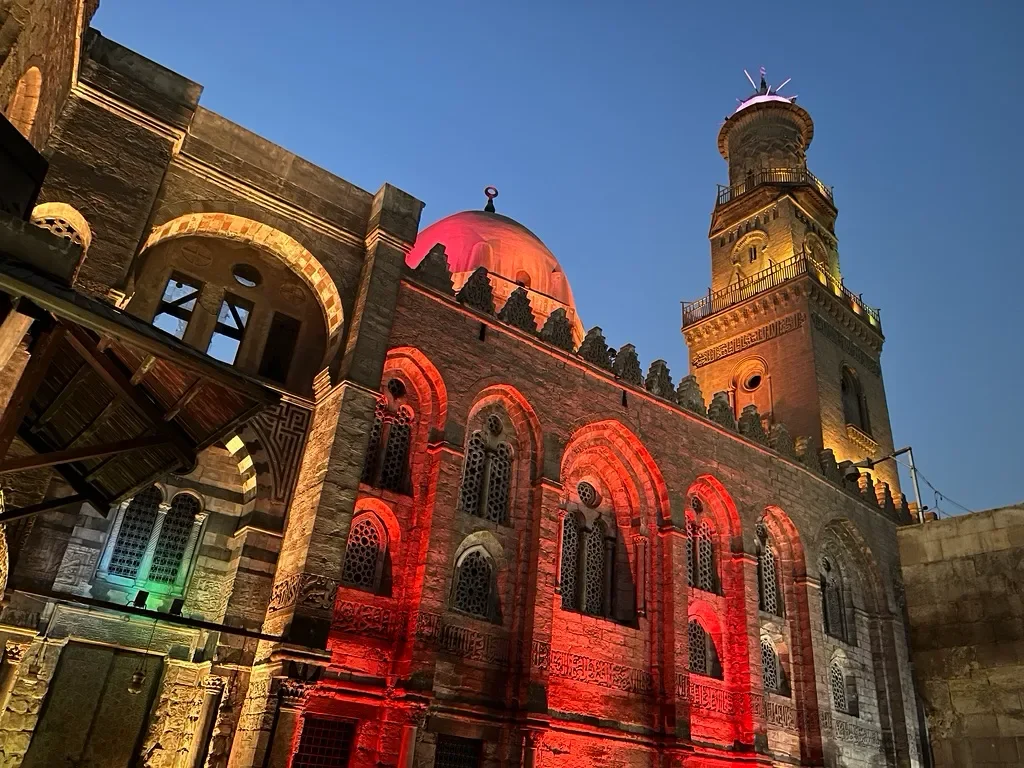
Ramadan in Egypt is a magical time - everything slows down during the day and is full of life after sunset!
What Actually Changes in Egypt During Ramadan
This is where travelers usually get curious. What really changes, and what stays normal?
Working hours and daily pace
Many businesses adjust their schedules during Ramadan - for example, the Grand Egyptian Museum closes one hour earlier during Ramadan, and they drop the extended evening hours that they normally have on Wednesdays and Saturdays.
Offices sometimes open later or close earlier. Government services and smaller shops may reduce hours. Hotels and tourism services continue operating, though the energy level feels more relaxed during daylight hours.
For visitors, this means patience helps. Things still work, they just move at a slightly different pace.
Restaurants and cafés
Some restaurants close during the day, especially local ones. Others stay open but feel quieter. Hotel restaurants usually operate normally, which makes them a reliable option for travelers.
After sunset, everything flips. Restaurants fill quickly, dessert shops get busy, and cafés stay active late into the night.
One of my favorite spots and a super popular place for tourists and locals alike, Koshary Abou Tarek, is closed for the entire month of Ramadan each year!
Traffic and prayer times
Traffic often builds right before sunset as everyone heads home to break the fast. Fridays and major prayer times can also affect movement around the city, so leave extra buffer time if you’re heading across Cairo.
One of my favorite sights of Ramadan is watching Egyptians in the street pass out dates and cups of water to drivers who are still out driving at sunset,, ensuring that everyone has the opportunity to break their fast, even if they aren’t at home having a big meal!
After the evening meal, traffic settles again and people head back out socially.
Nightlife and sound levels
Evenings during Ramadan can feel louder and livelier than many travelers expect. Streets stay active late, cafés run long hours, and neighborhoods feel social deep into the night.
The mood
This might be the biggest change of all. The atmosphere during Egypt Ramadan feels communal. Families gather. Friends meet for long meals. Even small neighborhoods feel connected.
You’re seeing daily life reorganized, and the shift really is night and day.
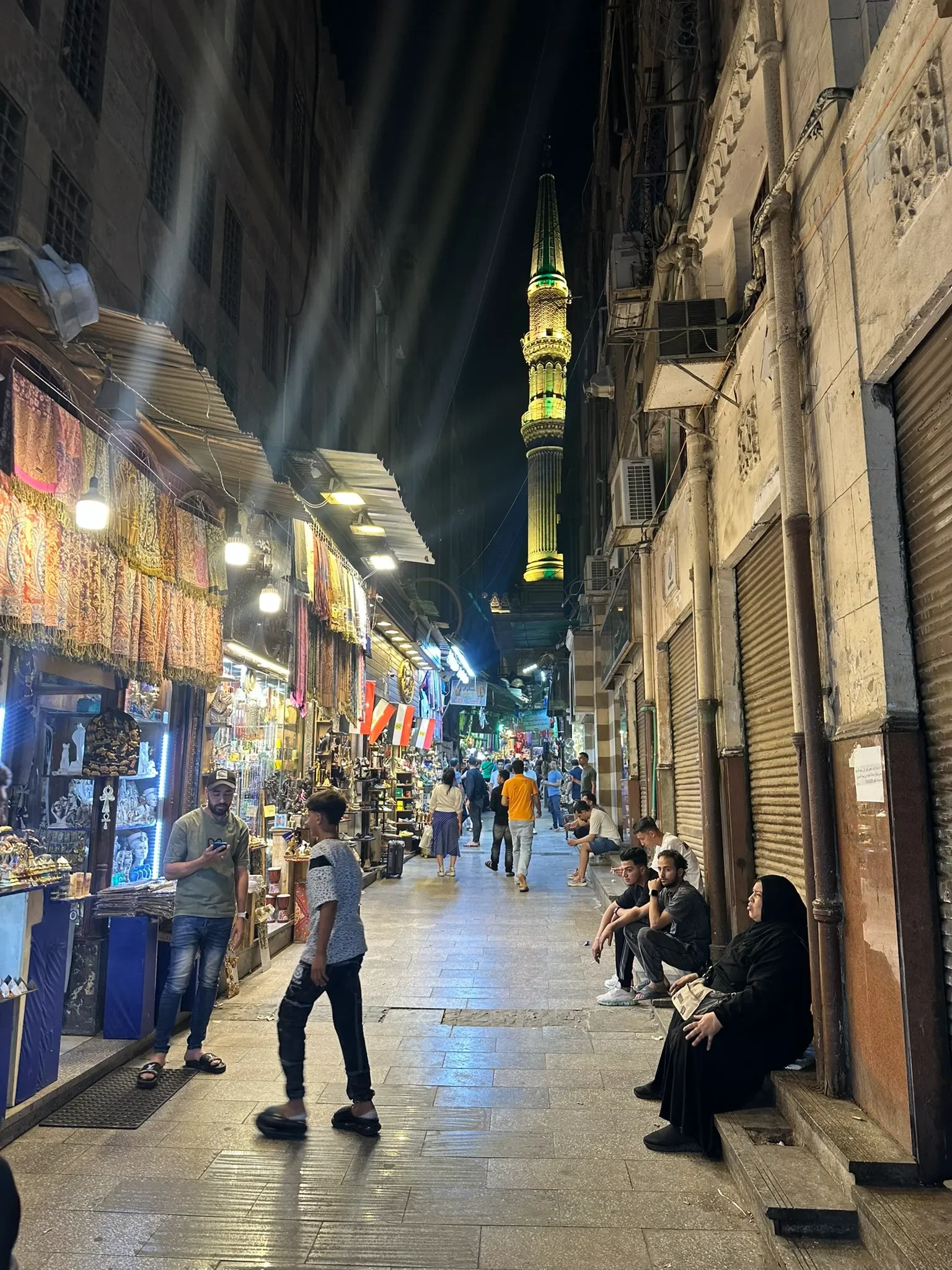
Certain neighborhoods, like El Moez, are especially busy during Ramadan, between sunset and pre-dawn
Is It a Good Time for Visiting Egypt?
Yes, and many travelers end up loving it.
I always say that visiting Egypt a little bit before Ramadan so you can experience Egypt before and during Ramadan is great (or visiting Egypt at the tail end of Ramadan), but if your trip will fall entirely within Ramadan, go for it!
Check out my thoughts on the best time to visit Egypt.
Visiting Egypt during Ramadan offers a side of the country that feels more personal. You see local life more clearly because the pace slows enough to notice it.
You’ll see:
Lanterns hanging above streets (just like we decorate with Christmas lights in the USA!)
Seasonal sweets everywhere
Families sitting together long after dinner
Neighborhood cafés full late into the night
Tourist attractions remain open, guides keep working, and transportation runs normally. Some museums and sites may close slightly earlier, so checking schedules ahead of time helps.
For travelers who enjoy culture as much as sightseeing, traveling to Egypt during this month often becomes a highlight.
Food, Restaurants, and the Rhythm of Fasting
Food is one of the biggest questions travelers have about Egypt Ramadan, and honestly it’s one of the most enjoyable parts once you understand the flow. Don’t worry - as a tourist, especially if you aren’t Muslim, you won’t have to skip eating and drinking all day! Here’s what you need to know:
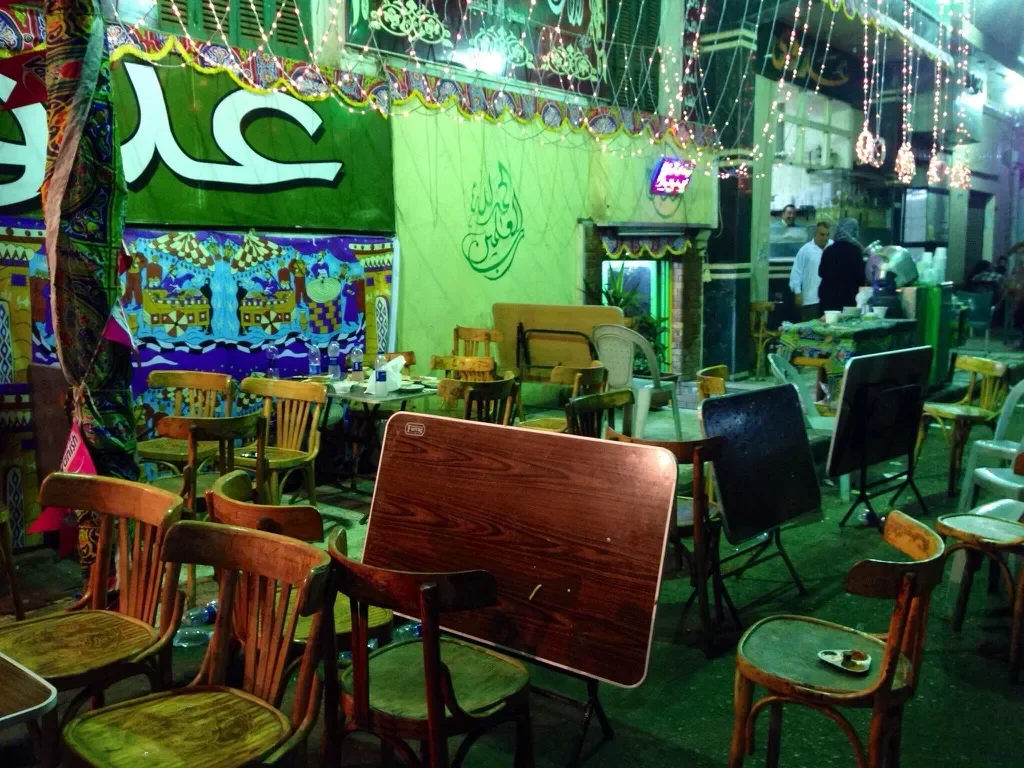
The two main Ramadan meals, Iftar and Suhoor, will often be taken in the street, with some neighborhoods putting out tons of tables and chairs
Iftar: the evening meal
Iftar is the meal that breaks the fast at sunset. It’s a big moment every day. Families gather, tables fill with food, and restaurants become lively very quickly.
If you are in a hotel, you’ll probably notice large buffet setups appearing right before sunset. In local neighborhoods, restaurants fill fast, and the energy feels celebratory.
Protip: If you want to eat at a popular restaurant for iftar, reserve ahead. Many places fill completely before sunset. Some restaurants, like Zeeyara Rooftop in El Moez Street, offer special “Ramadan” menus.
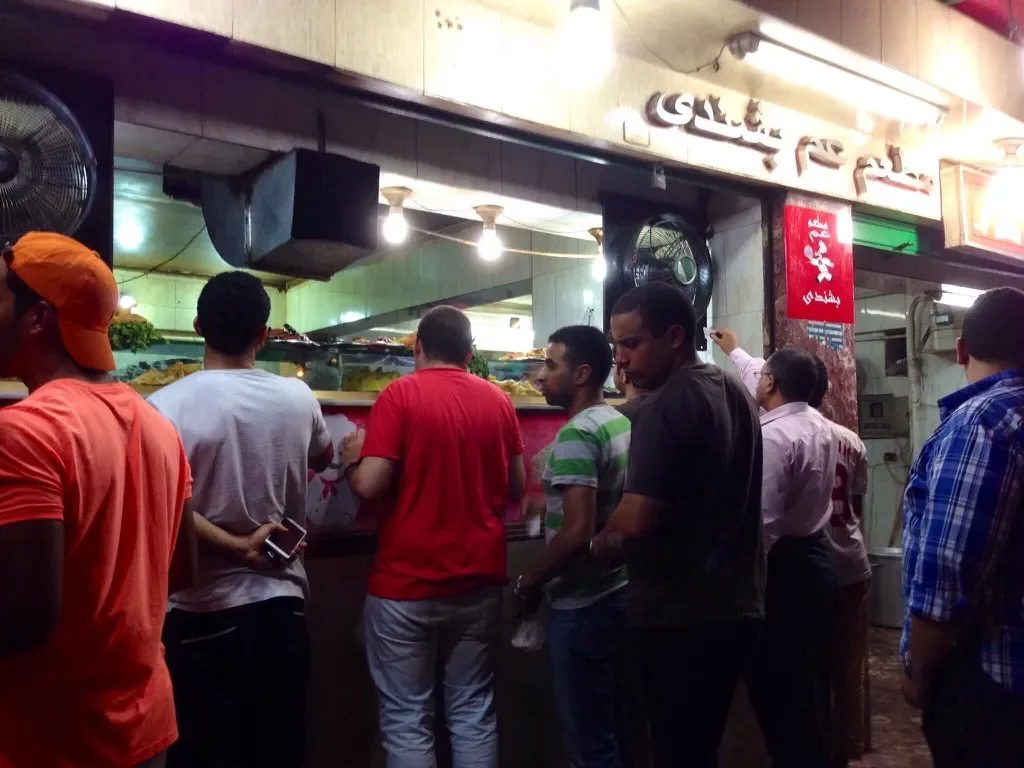
Waiting in line for some falafel sandwiches for Suhoor (the pre-dawn meal)
Suhoor: the late-night meal
Suhoor happens late at night or very early in the morning before fasting begins again. Many cafés stay open until late hours serving light meals, tea, and desserts. Travelers often find themselves eating later than usual and enjoying the nighttime atmosphere.
I love staying out late with friends and grabbing some falafel or fuul sandwiches from one of the many pop-up Suhoor spots in downtown Cairo or in the area by El Hussein Mosque.
What visitors should know during Ramadan
You are not expected to participate in fasting, though awareness is appreciated.
Simple Tips:
Eat indoors during the day when possible
Carry water discreetly in residential areas (don’t worry about drinking in front of people, but try not to make a big show of it!)
Expect slower service close to iftar
Make dinner plans early because restaurants fill quickly
Alcohol availability also changes during Ramadan. Many local venues pause service, while larger hotels and licensed restaurants often continue serving. Travelers also discover that their eating schedule shifts naturally toward the evening during this month.
If I am going to Egypt during Ramadan, I make sure to purchase alcohol at a duty-free shop at the airport during my layover, and I also pack a bottle in my suitcase, since liquor stores shut down for the entire 30 days.
Ramadan Nights in Egypt
Evenings during Ramadan feel special. The city gradually opens up as soon as the fast ends.
After sunset you’ll notice:
Streets filling with people walking after dinner
Dessert shops packed with locals
Lantern decorations glowing above cafés
Children playing late into the evening
Protip: Some of the best local atmosphere happens after 10 PM, when families head back out after dinner.
Many travelers say this is when the personality of Egypt feels strongest. Walking through neighborhoods after dinner gives you a real sense of local life during the holy month.
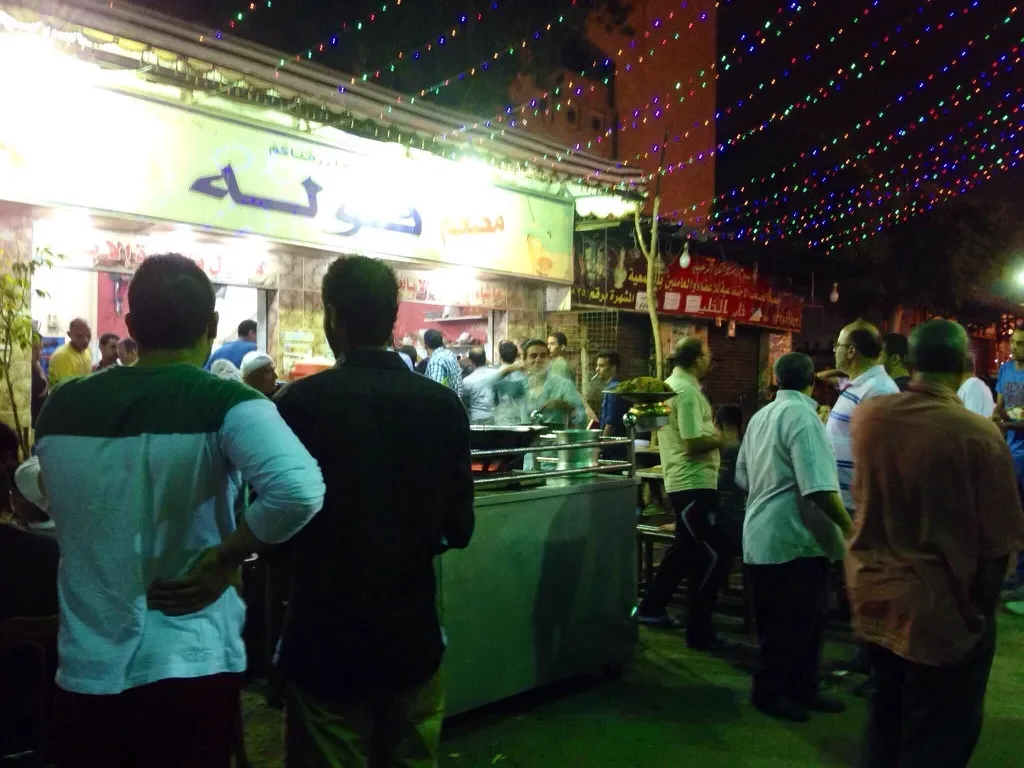
Everyone crowding around a cart to enjoy a Suhoor meal before beginning their fast
Common Misconceptions About Egypt and Ramadan, and What Actually Happens
Travelers often arrive with concerns that turn out to be smaller in reality.
“Will everything be closed?”
No. Tourist sites, hotels, and major services continue operating. Some local businesses adjust hours.
“Can I drink water during the day?”
Yes. Travelers can eat and drink. Being respectful in local areas goes a long way.
“Will tours still run?”
Yes. Guides, drivers, and tourism companies continue working, though daytime energy levels can feel slower in warmer weather. Can you imagine not having coffee, water, or any food, but still working a full day? That’s why even though tours are still going, your guides and drivers may not be as peppy as usual.
“Will it feel awkward as a tourist?”
Usually not. Egyptians are very used to visitors, and most travelers find the atmosphere welcoming.
“Does clothing matter more during Ramadan?”
Modest clothing is appreciated, especially in conservative neighborhoods. Lightweight clothes that cover shoulders and knees work well for most travel situations.
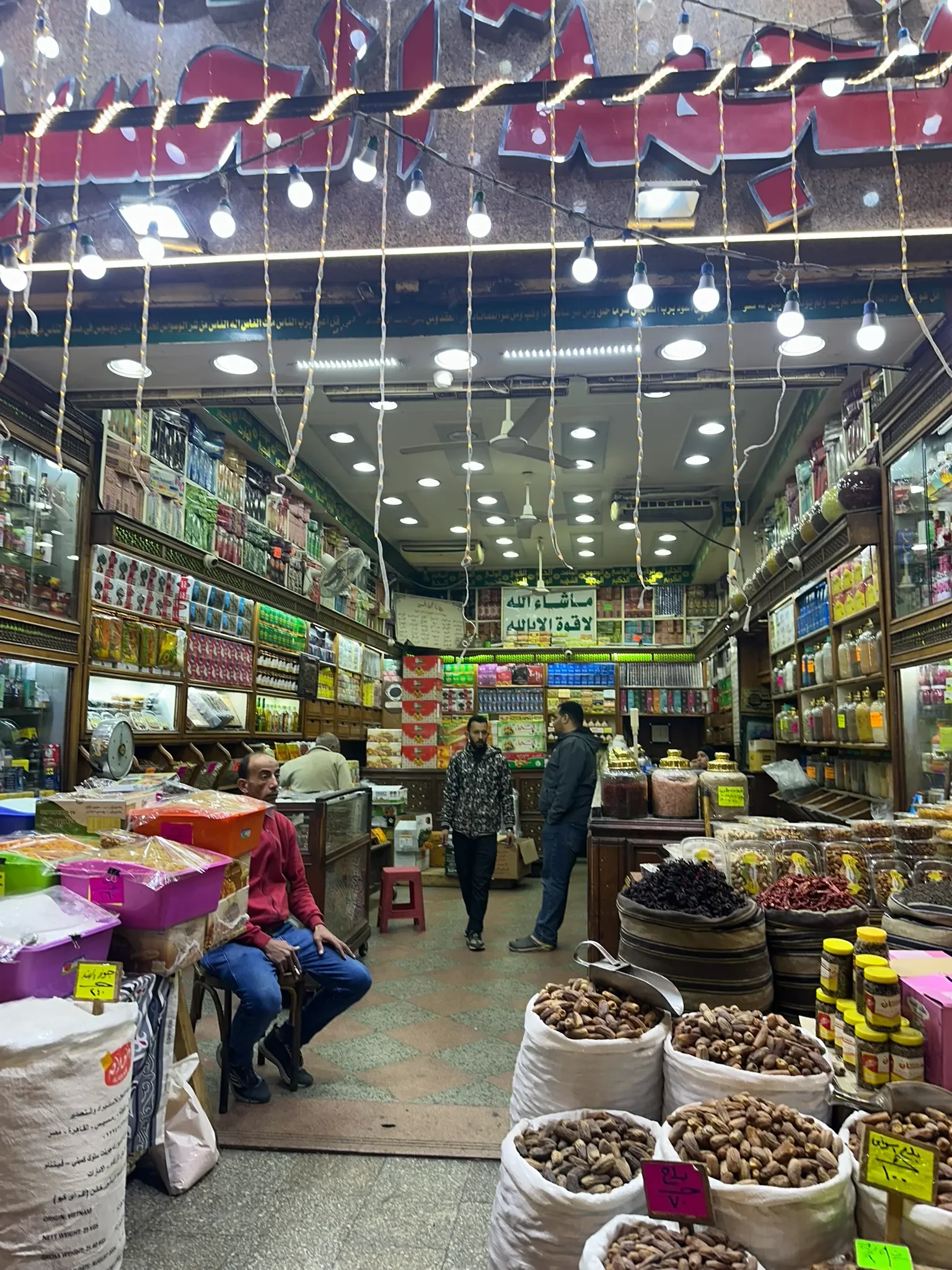
Dates (in the bags bottom right) are a very common food served just before the large Iftar meal
Airports and Arrivals During Ramadan
Airports in Egypt continue running normally during Ramadan. Flights, immigration, and transport services operate as usual.
What you may notice is a softer pace at certain times of day. Late afternoon arrivals can feel calmer, while the period just before sunset sometimes feels busy as people prepare to break the fast. If you arrive during that window, expect the arrival hall to feel energetic but organized.
I always tell my guests, “pack your patience” when visiting Egypt, and during Ramadan it’s even more important to understand that things may move more slowly than we expect.
Understanding the Cultural Side of Ramadan
For many visitors, this becomes the most meaningful part of traveling to Egypt during the holy month.
Ramadan in Egypt is about generosity and connection. You may see long tables set up in the street offering free meals. Neighbors invite each other to eat. Families gather every evening without fail.
You do not need to be religious to appreciate the atmosphere. The sense of community becomes visible everywhere, and that feeling often becomes the part travelers remember most.
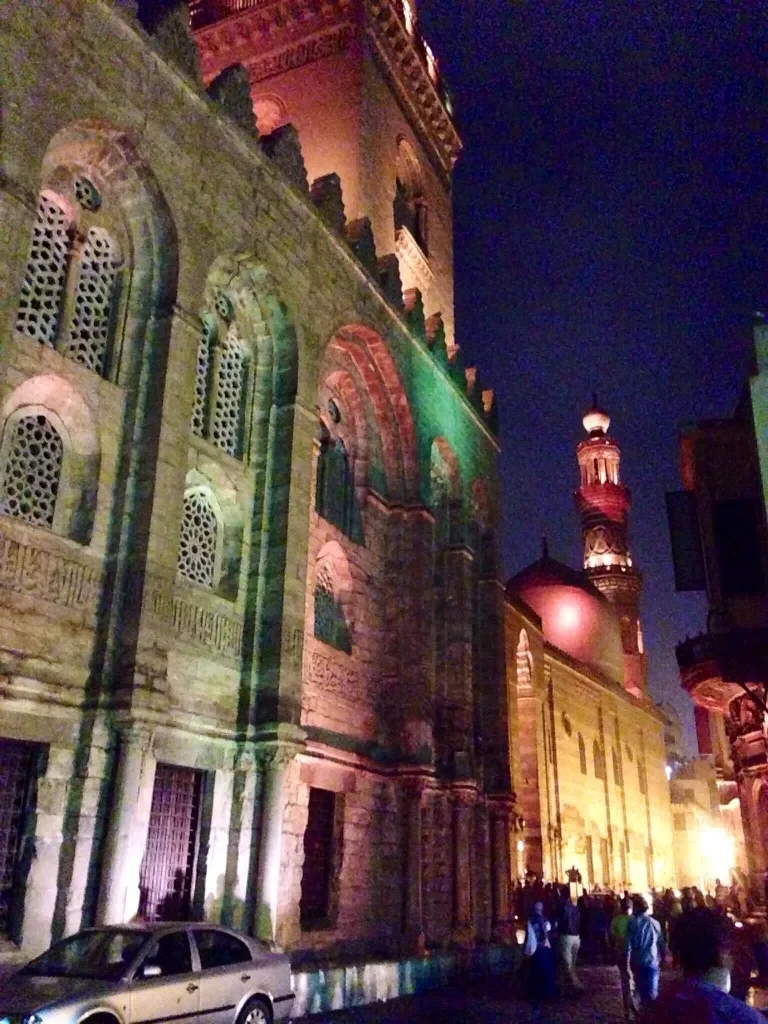
Everything is still open during Ramadan, but the city especially comes alive after sunset!
FAQ: Egypt in Ramadan
Is Egypt open for tourists during Ramadan?
Yes. Tourist attractions, hotels, and transportation continue operating during Ramadan.
Can I eat and drink during the day?
Yes. Travelers are not expected to follow fasting, though being mindful in local areas is appreciated.
Does Ramadan change sightseeing hours?
Some places adjust schedules slightly, so checking ahead of time helps. You can use www.egymonuments.com in order to see the Ramadan hours for different sites across Egypt.
How is the start of Ramadan decided?
The start depends on the sighting of the Moon, following the Islamic calendar.
Can I drink alcohol during Ramadan?
Some hotel bars and licensed venues continue serving, while many local places pause service during the holy month.
What should I wear during Ramadan?
Comfortable, modest clothing works best. Think breathable fabrics and respectful coverage in local neighborhoods.
Are Nile cruises affected?
Cruises usually operate normally, with meal times adjusted around sunset.
Is Ramadan a good time for first-time visitors?
Yes. Many first-time travelers enjoy the cultural atmosphere and slower daytime pace.
Is traveling to Egypt during Ramadan worth it?
Absolutely. Many visitors say traveling to Egypt during Ramadan gives them a deeper cultural experience.
Final Thoughts on Traveling to Egypt during the Holy Month of Ramadan
Experiencing Egypt Ramadan offers a different rhythm of travel. Days feel slower, evenings feel social, and the country reveals a side that many visitors never see during other times of year.
If you arrive with curiosity, stay flexible with your schedule, and follow a few practical tips, visiting Egypt during Ramadan becomes less about logistics and more about atmosphere.
If you have questions about traveling to Egypt during Ramadan, leave a comment and I’ll help you plan your trip!
